Blue Heron Bridge |
Reading the Slack Window at Blue Heron Bridge
If you ask me which dive site I get the most questions about, it's not a wreck and it's not a reef. It's Blue Heron Bridge — the shallow lagoon under the bridge at Phil Foster Park in Riviera Beach. People drive an hour to get there, gear up, walk to the water, and find a brown soup with current running through it. Then they message me asking what they did wrong. Almost always the answer is the same: they didn't dive the slack.
Blue Heron Bridge is one of the rare world-class dives you can do without a boat, without a charter, without anything but a parking spot and a tank. But it only works inside a narrow window of the tide cycle. Get the timing right and it's a different planet. Get it wrong and you've wasted a tank and a tank of gas in the car. This is how I read that window, in plain language.
What Blue Heron Bridge actually is
Let me set expectations, because this dive surprises people. Blue Heron Bridge — locals just call it "the Bridge" or BHB — is the snorkel-and-dive lagoon inside Phil Foster Park, on the Intracoastal side at Riviera Beach. It is a shore dive. You park, you walk in from a sandy beach, and you stay shallow — most of the site is in the 6-to-18-foot range. You are not going deep here. You're not doing it for the depth.
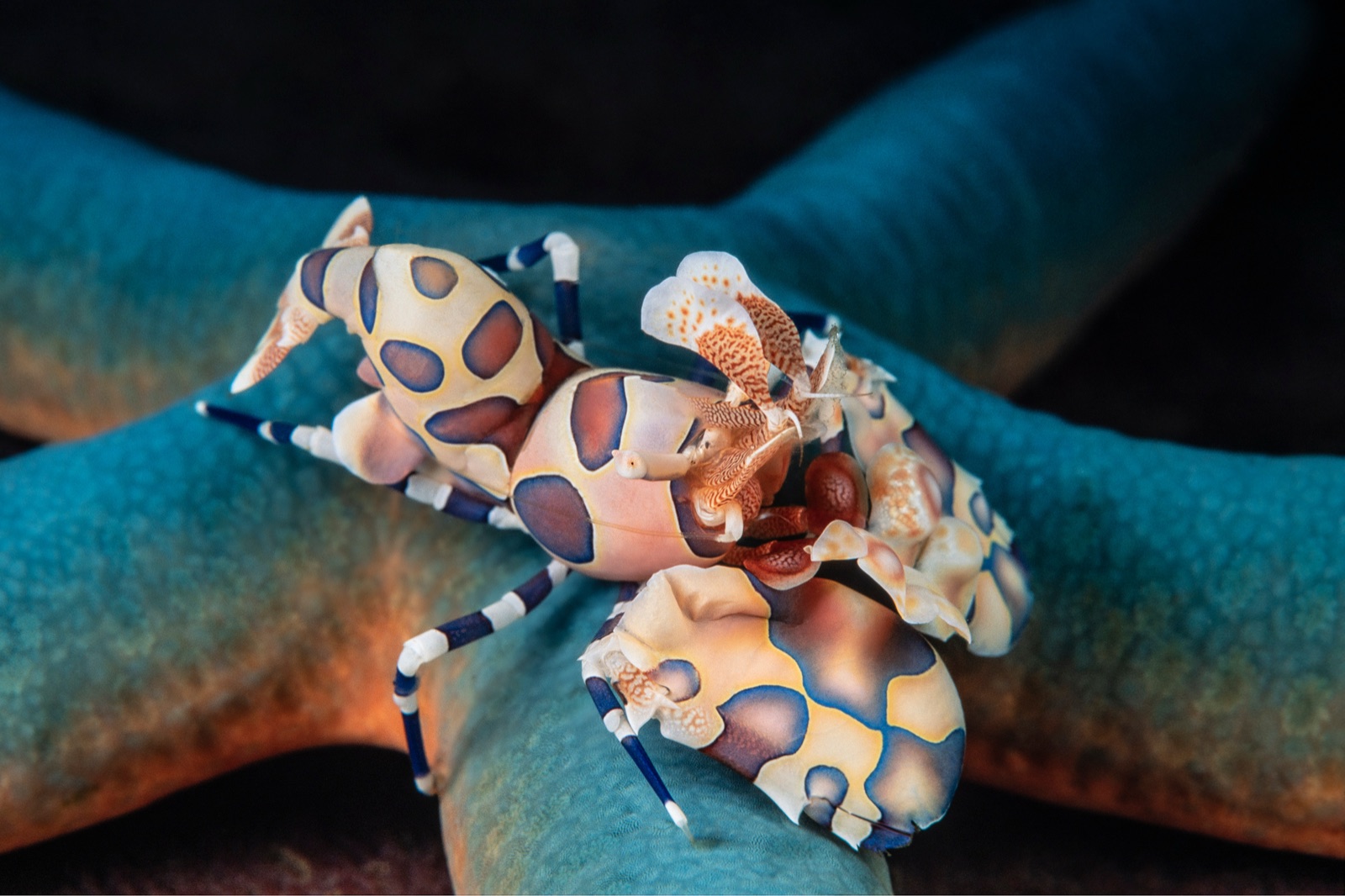
You're doing it because it's one of the best macro and muck dives in the country. Seahorses, frogfish, octopus, batfish, flying gurnards, every nudibranch you've never been able to find anywhere else — they all live in this sandy, rubbly lagoon under the bridge pilings and out along the snorkel trail. It's a critter hunt, slow and quiet, with your face six inches off the bottom. That's the whole appeal, and it's why the slack window matters so much. You can't hunt for a thumbnail-sized seahorse while the current is dragging you sideways through three-foot visibility.
Why slack, not waves
For most shore dives in South Florida you check the swell. Wave height, period, wind direction — that's the surf-entry math. Blue Heron Bridge is different. It's tucked inside the Intracoastal, protected from ocean swell, so wave height is almost irrelevant. What governs the dive is the tide.
Two things happen on a rising, near-high tide that make this dive work:
- Cleaner water gets pushed in. The incoming (flood) tide draws ocean water through the inlet and into the lagoon. That ocean water is clearer than the tannic, runoff-laden water that sits in the Intracoastal at low tide. As high tide approaches, visibility improves dramatically — sometimes from a murky few feet to twenty or thirty.
- The current shuts off. Slack water is the brief lull when the tide stops flooding and hasn't yet started ebbing. The flow goes quiet. There's little to no current to fight, which is exactly what you want when you're hovering motionless trying to photograph something the size of a grain of rice.
So the target is high slack: the cleanest water and the calmest current arrive at roughly the same time, right around high tide. Miss it and you're either fighting flood current with bad viz on the way in, or chasing the ebb as it flushes all that clean water — and any sand it kicks up — back out toward the inlet.
How to read station 8722670
I plan every Bridge dive off the NOAA tide predictions for the Port of Palm Beach area — station 8722670. That's the station Stoic Diver uses for BHB high-tide timing, and it's the number to memorize if you dive here regularly. Pull up the NOAA tide predictions, set the station to 8722670, and look at the day you want to dive.
What you're reading off the table is simple: the listed high-tide time. That's the anchor for your whole plan. Everything else — when you gear up, when you splash, when you should be back on the beach — is measured backward and forward from that one timestamp.
A few honest caveats so you don't treat the table as gospel:
- Predicted slack lags the inlet's published times a touch. Tide-height predictions tell you when the water is highest, not the exact minute current goes to zero in the lagoon. In practice they're close enough at BHB that I plan around the high-tide time and adjust by feel once I'm there.
- Wind and rain shift things. A strong onshore wind or a few days of heavy rain can muddy the water and nudge the real-world timing off the printed prediction. The table is a starting point, not a guarantee.
- Read the local time and daylight-saving correctly. Sounds obvious. People still show up an hour off. Double-check the time zone on whatever tool you're using.
How wide is the window, really
Here's where I'll be straight with you instead of repeating the optimistic version you see everywhere. The classic guidance is "an hour before to an hour after high tide." That's a reasonable frame, but the truly good part — clean water and genuinely slack current together — is narrower than two full hours.
The way I run it: I want to be in the water about an hour before the listed high tide, so I'm descending as the last of the clean flood water is still arriving and the current is easing off. The sweet spot — best viz, least current — sits in roughly the 30 minutes on either side of high tide. After that the ebb starts to assert itself and things degrade. So call it a usable window of around 90 minutes, with maybe a 60-minute core where it's genuinely excellent.
That's plenty for a relaxed shallow dive. A single aluminum 80 at 15 feet will outlast the good water. The constraint here is never your gas — it's the tide. When the current picks up and the silt starts moving, the dive is over whether your tank agrees or not.
Summer vs winter
People assume summer is automatically the better season because Florida. It's more nuanced than that.
- Summer: Warm water — often into the low 80s — so a 3mm or even a rashguard is plenty, and you can do long, comfortable dives. The catch is rain. Summer is the wet season, and heavy afternoon storms dump runoff into the Intracoastal that can wreck visibility even on a good slack. Summer also brings the crowds.
- Winter: Cooler water — I'm in a 5mm or 7mm and happy I brought a hood on the colder mornings — but the water is frequently cleaner. Less rain, less runoff, and that clear flood water shows up reliably. Some of my best-viz Bridge dives have been in January.
Neither season is "right." If your priority is comfort and you don't mind gambling on viz, dive summer. If your priority is seeing the critters in clear water and you can tolerate being a little cold, winter is quietly the better season here.
Daylight matters as much as the tide
One thing that's easy to forget when you're staring at a tide table: the high tide has to fall during daylight. The tide cycle shifts roughly an hour later each day, so the good slack drifts in and out of usable daylight hours over the month.
There are weeks where high tide lands at 6 a.m. or 9 p.m. and the dive simply isn't on for a normal recreational outing. When I'm picking a weekend, I'm not just looking for a high tide — I'm looking for a high tide that lands somewhere between mid-morning and late afternoon. (Night diving at BHB is its own wonderful thing, but it's a permitted, planned activity, not something to back into because you misread the table.)
Parking and the practical stuff
When all of this lines up — daylight high tide on a weekend with good weather — the secret is out, and so is everyone else. The Phil Foster Park lot is not huge, and on a prime weekend slack it fills up. I've seen people circle for twenty minutes and miss their window entirely because they couldn't park.
My rules:
- Arrive early. Get there well ahead of your gear-up time, not at it. On a good weekend I want to be parked at least 45 minutes to an hour before I plan to splash.
- Have a backup. If the main lot is full, there's additional parking around the park and along the approach — scout it before you need it so you're not improvising with a full bladder and a heavy tank.
- Entry and exit are easy, so respect them. You walk in from the sandy beach on the east side. It's a gentle, protected entry — no surf to time. Plan to exit back at the same beach before the ebb really gets going, because the current that was nothing on the way in can become a nuisance on a long swim back.
- Mind the boat traffic. This is an active waterway. Stay inside the marked snorkel trail and dive area, fly a flag, and don't wander out toward the channel.
A simple pre-dive routine
Here's the whole thing condensed into the checklist I actually run before a Bridge day:
- Pull NOAA tide predictions for station 8722670 and note the high-tide time.
- Confirm that high tide falls in daylight and ideally on a day you can leave early.
- Plan to be parked about an hour before high tide, in the water about an hour before, and out within 30–45 minutes after.
- Check the last few days of weather — heavy rain or strong onshore wind means temper your viz expectations.
- Pick your exposure protection for the season, not the calendar — winter water here is colder than visitors expect.
If you'd rather not do the arithmetic by hand every time, our Blue Heron Bridge conditions page tracks this slack window for you off the same station, so you can see at a glance whether a given day is worth the drive. I still glance at the raw tide table out of habit, but it's a lot faster than counting hours on my fingers in the parking lot.
Blue Heron Bridge rewards patience and punishes guessing. It's not a hard dive — it's a shallow, calm, easy shore dive that happens to hide some of the strangest little animals in Florida. The only real skill is showing up at the right hour. Read the slack, respect the daylight, get there early, and the Bridge will give you the kind of day you tell people about for weeks. I'll probably see you on the beach.